Search is changing. In 2026, over 40% of information queries start with an AI assistant rather than a traditional search engine. This shift demands a new approach: Generative Engine Optimization (GEO).
The Shift from SEO to GEO
5 Steps to AI-Optimize Your Website
1. Create Your llms.txt File
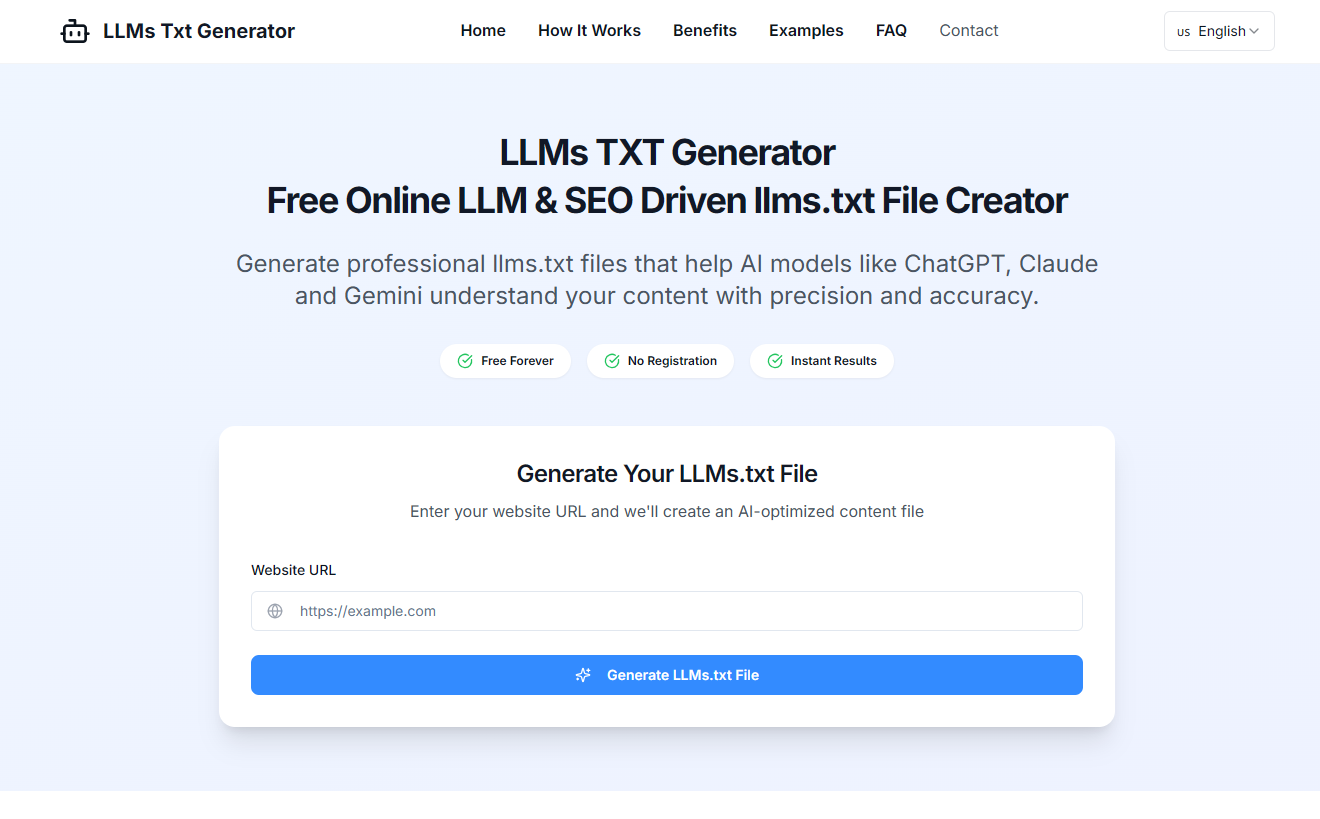
This is the foundation. Your llms.txt file gives AI models a structured overview of your entire site. Use our free generator to create one in seconds.
2. Structure Your Content with Clear Headings
AI models parse content hierarchically. Use proper H1-H6 heading structure, and ensure each page has a single, descriptive H1 tag.
3. Add Schema.org Structured Data
JSON-LD structured data helps AI models understand the type of content on each page — whether it's an article, product, FAQ, or service description.
4. Write AI-Friendly Meta Descriptions
Your meta descriptions should be factual, specific, and avoid marketing fluff. AI models use these as content summaries, so accuracy matters more than click-bait.
5. Monitor AI Mentions
Track how AI assistants reference your brand. Tools like brand monitoring services can alert you when ChatGPT, Claude, or Gemini mention your company — and whether the information is accurate.
The Bottom Line
AI search optimization isn't replacing traditional SEO — it's complementing it. The websites that perform best in 2026 will be those optimized for both search engines and AI models.