Your website's root directory can host several important files that communicate with bots and crawlers. Here's how they compare:
Three Files, Three Purposes
robots.txt — The Gatekeeper
Purpose: Controls which pages web crawlers can and cannot access.
Who uses it: Search engine bots (Googlebot, Bingbot, etc.)
Format: Simple text directives (Allow, Disallow, Sitemap)
Example:
User-agent: *
Disallow: /admin/
Disallow: /private/
Sitemap: https://example.com/sitemap.xml
sitemap.xml — The Directory
Purpose: Lists all pages you want search engines to index, with metadata like last modification date and priority.
Who uses it: Search engines for crawl planning
Format: XML with URL entries
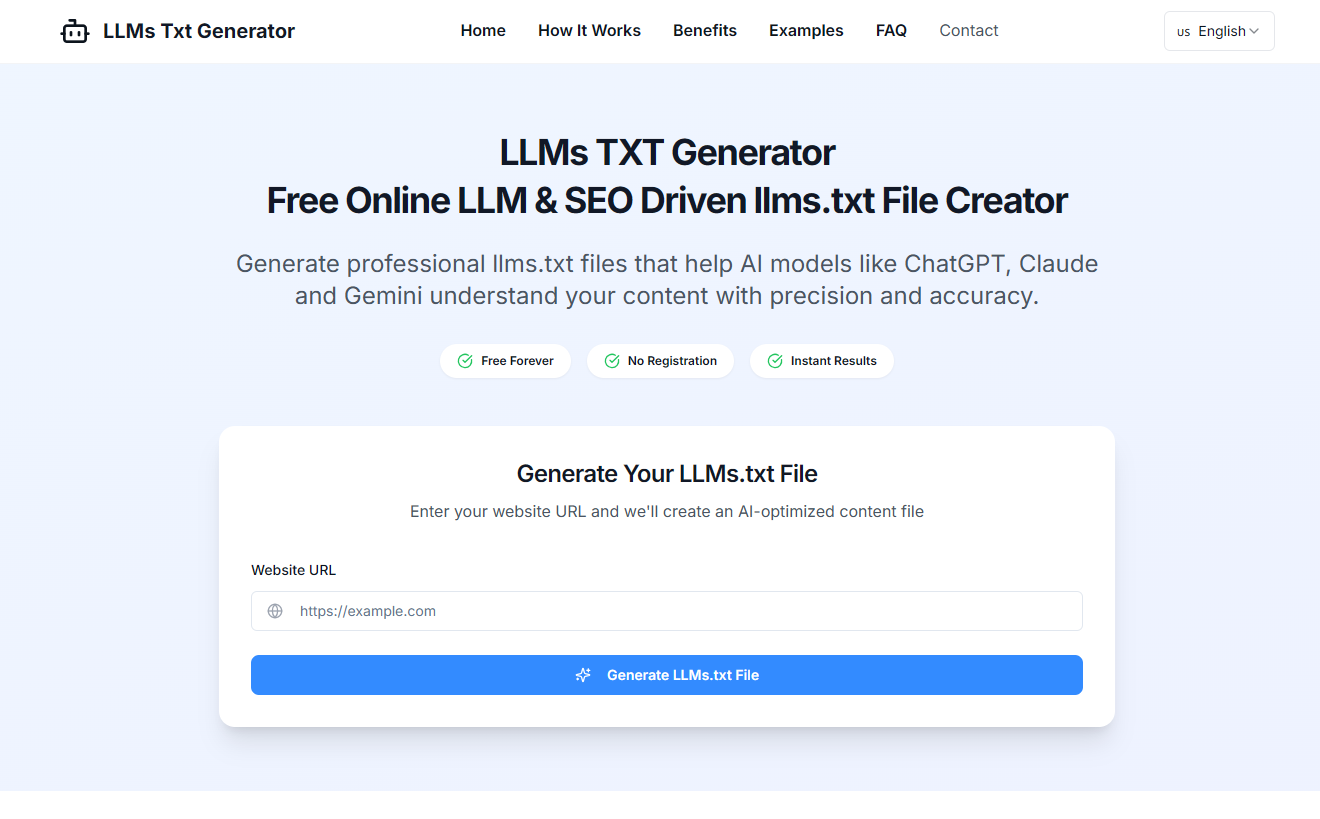
llms.txt — The AI Translator
Purpose: Provides AI models with a structured, readable summary of your website's content and purpose.
Who uses it: Large Language Models (ChatGPT, Claude, Gemini, etc.)
Format: Markdown with headings, links, and descriptions
Do You Need All Three?
Yes. Each file serves a different audience:
| File | Audience | Purpose |
|---|---|---|
| robots.txt | Web crawlers | Access control |
| sitemap.xml | Search engines | Page discovery |
| llms.txt | AI models | Content understanding |
Together, they ensure your website is fully accessible to both traditional search engines and the new generation of AI-powered discovery tools.